

None
None
Long Story Video Skill
Turn your idea into 10s–10min video—AI writes scripts, prompts, and generates footage automatically.
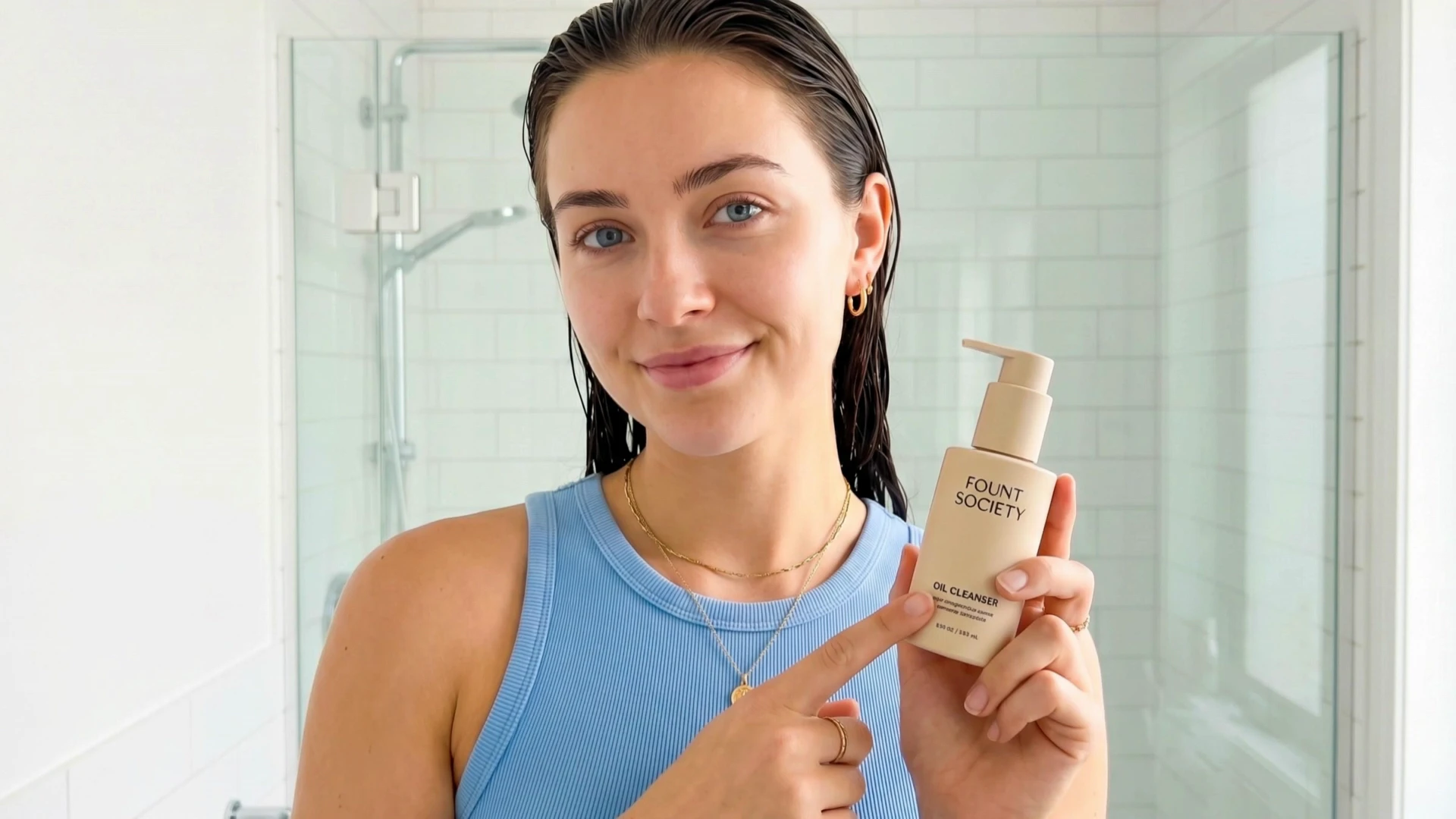
Ads Video Skill
Generate professional ads and sales videos—AI auto-generates scripts, prompts, and footage.
3D Science Explainer Video Skill
Convert scientific concepts into stunning 3D explain animations
Feedback
Minimax H3 Recast
Minimax H3 Recast replaces the actors in a clip that's already edited — your portraits take the roles while cuts, camera moves and audio stay put.
All Tools
Discover our comprehensive AI-powered animation toolkit
MiniMax H3
MiniMax H3 AI Video Generator
Seedance 2.5
The Future of AI Video Is Here.
Seedance 2.0
The Future of AI Video Is Here.
FLUX 3 Video Generator
Kling 3.0
Next-Gen AI Video Generator
Grok Video Generator
Create Videos from Text or Images with AI
MiniMax H3 video generator
MiniMax H3 AI Video Generator

Seedance 2.0
The Future of AI Video Is Here.
Where Minimax H3 Recast Fits in Your Workflow
Rather than building a clip from scratch, Minimax H3 Recast works on footage that is already cut and mixed — your portraits step into the roles and nothing else about the video moves.
- Casting changes after the edit locksFeed the tool a video you have already finished plus one portrait per role, and it puts those faces into the existing shots instead of generating new scenes.
- Consistent identity across every cutMatch the order of your uploads to the order people appear on screen, and each newcomer keeps the same role even when the edit jumps between angles and takes.
- The original performance does the actingGlances, timing, gestures, set lighting and camera movement all come from the source clip untouched; your photos only supply the faces and the clothing worn with them.
How to Run a Cast Swap With Minimax H3 Recast
From an edited clip to a brand-new lineup of performers in three straightforward steps.
What You Get From Minimax H3 Recast
A cast replacement built around one rule: the acting, the edit, the sound and the framing stay exactly as they were shot.
Four roles, mapped left to right
You can introduce up to four new performers, each assigned to a lead by the order of your uploads and held to that role through every shot they appear in.
Written prompts override the default order
If screen order is not the mapping you want, a text instruction reassigns which portrait becomes which performer.
Only faces and clothing are replaced
Nothing about the performance is regenerated — turns, timing, expressions, lighting and lens movement come from your footage, while the likeness and wardrobe arrive from your images.
Editing rhythm and audio survive intact
Cuts, pacing and the soundtrack underneath come through unchanged, so the result reads as the same finished piece with a different lineup.
Low-cost preview before the final render
A 768p pass lets you confirm the likeness before committing to full resolution, and cost scales with how long your clip runs.
Hairstyle and outfit carry over from the photo
Frame more than the face in your upload and the hair and garments travel with it — a half-body shot transfers them more faithfully than a tight head crop.
Minimax H3 Recast — Common Questions
Straight answers on cast swaps, source limits and photo requirements for Minimax H3 Recast.
What exactly does Minimax H3 Recast change?
It changes who appears on screen and nothing else. Your uploaded portraits take over the roles already present in the footage, while movement, framing, edits and audio all carry over from the original file.
How long can my source video be?
Between 5 and 30 seconds in total, and no single shot longer than 15 seconds. Split longer takes before uploading — the render comes back at the same length as the input.
How many performers can I replace at once?
Up to four, each with its own portrait. The default mapping follows screen order, so arrange your uploads to match; a written instruction can override that mapping.
Which photos give the best results?
One sharp, evenly lit, front-facing portrait per person. A half-body frame carries hairstyle and clothing more accurately than a close head crop; skip sunglasses, hats, covered faces, group photos and blurry or heavily filtered images.
Should I preview in 768p or go straight to 1080p?
Preview in 768p to confirm the match, then render the deliverable at 1080p. Since cost follows clip length, the preview pass is the cheap way to catch a poor pairing.
When is Minimax H3 Recast the wrong pick?
When the footage itself has to change — new movement, new camera work, a new location — because all of that comes from your source. Results also weaken with crowds, distant or tiny faces, fast motion, and objects crossing a face right after a cut; across long takes or when someone turns to profile, the likeness can drift back toward the original performer.
Put Minimax H3 Recast to Work on Your Next Cut
Drop in a clip that is already edited and scored, add one portrait per role, and let the cast change while the pacing, camera work and audio stay exactly where you left them.